
Simulate high-altitude conditions with precision — Replicate low-pressure environments up to 120,000 ft combined with temperature and humidity control for comprehensive aerospace, defense, automotive, and electronics testing.
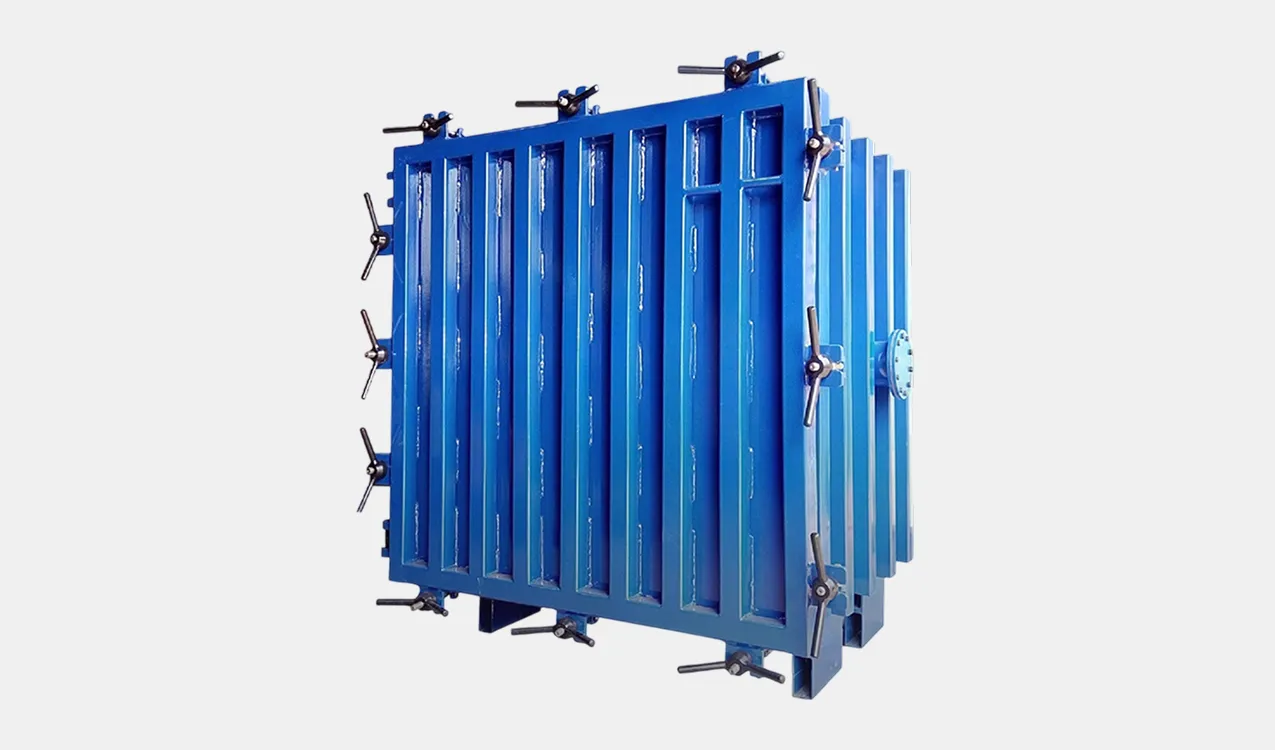
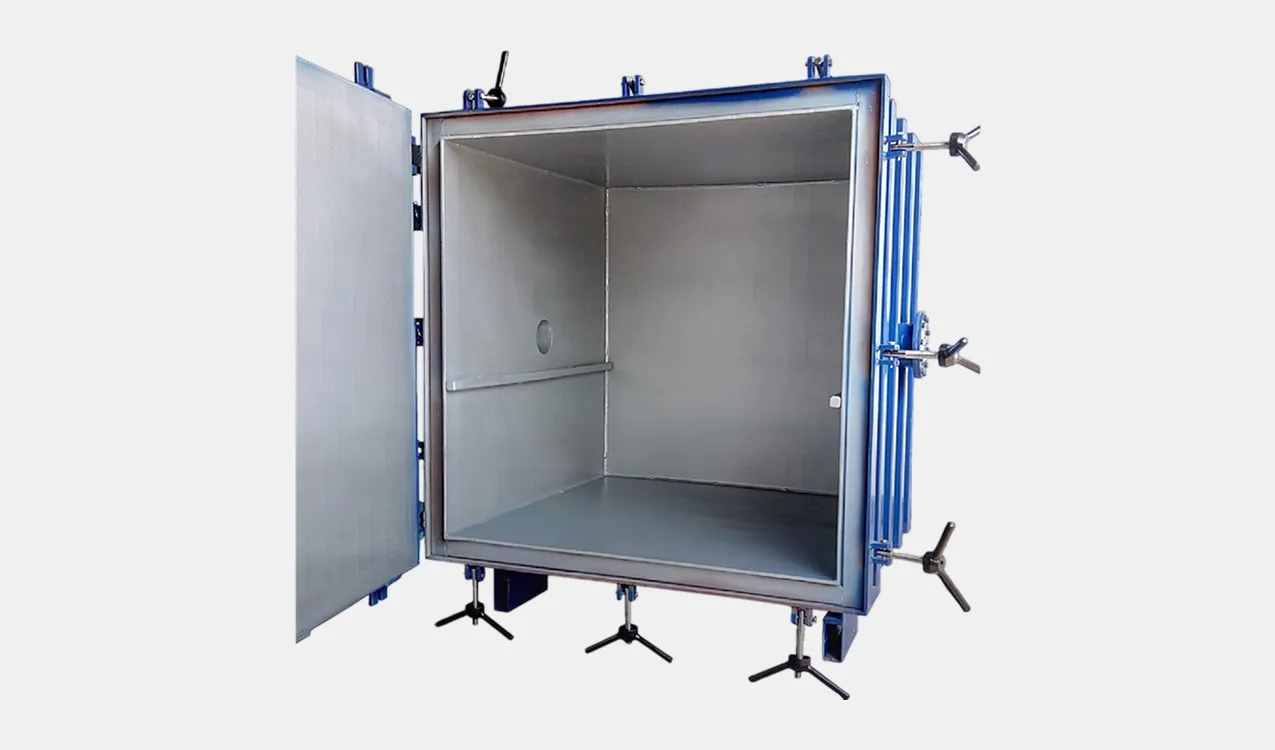
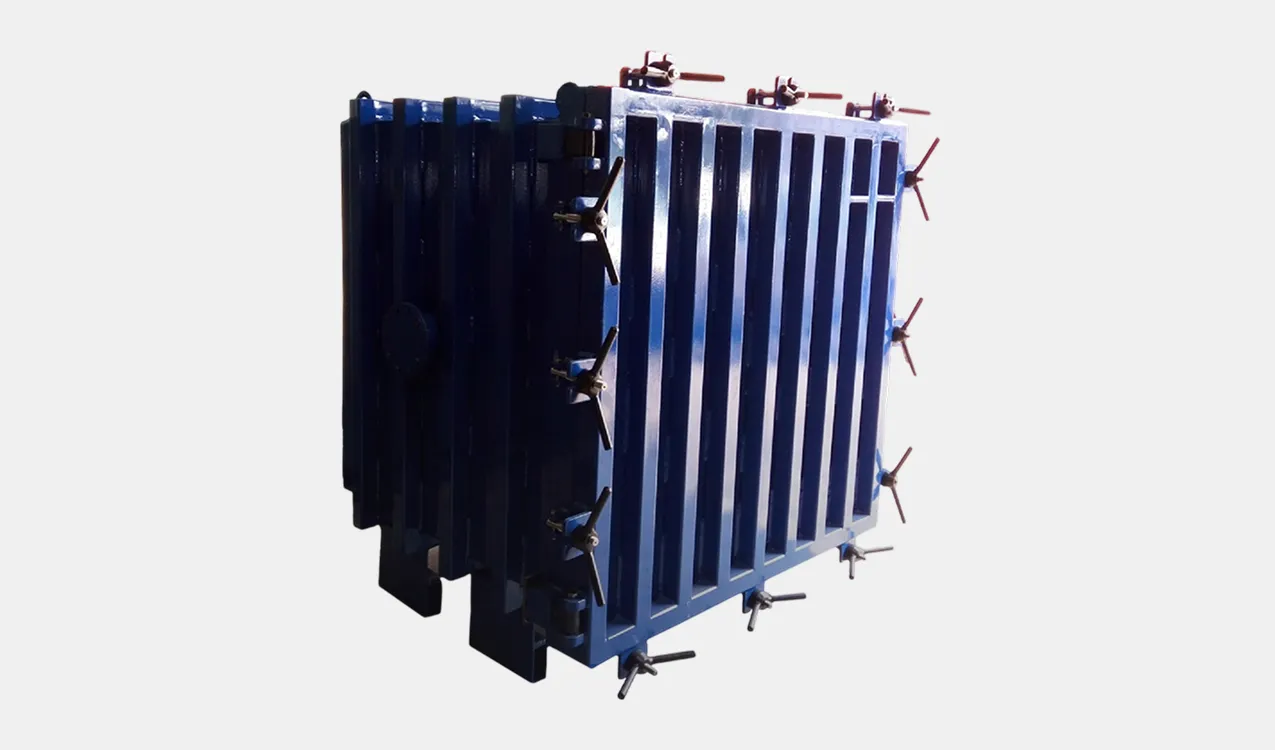
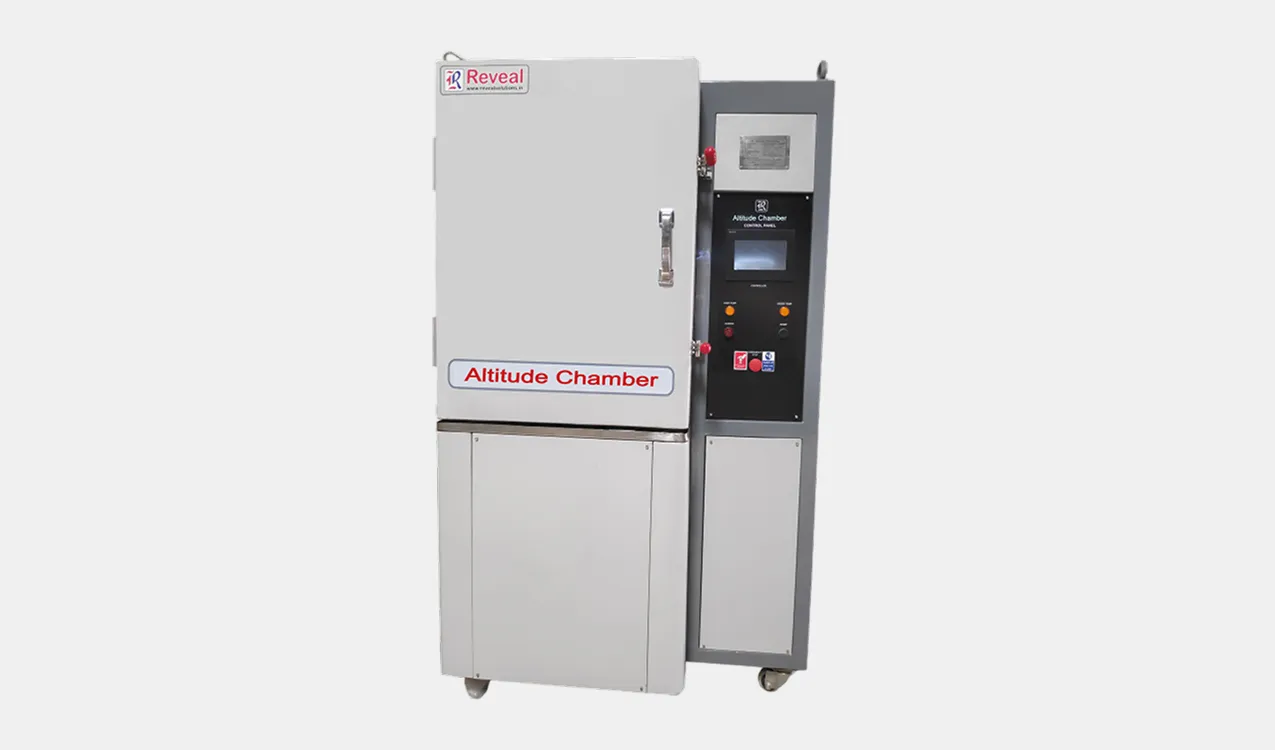
Altitude Chambers are dedicated enclosed systems used to simulate high-altitude, low-pressure conditions for testing products, components, and materials. By replicating the reduced atmospheric pressure, temperature extremes, and humidity variations experienced at altitude, these chambers enable engineers to validate the performance, safety, and reliability of hardware intended for aerospace, defense, automotive, and electronics applications — all within a controlled laboratory environment.
| Model | Inner Size W×D×H (mm) | Inner Size (inch) | Volume | Temp Range | Altitude Range | Ramp Rate | Altitude Method | Cooling |
|---|---|---|---|---|---|---|---|---|
| AC-150 | 500×400×750 | 20×16×30 | 150L | -65 to +150°C | Atm to 1 mbar (~150,000 ft) | 1/2/3/5°C/Min | Vacuum Pump | Air/Water |
| AC-270 | 600×600×750 | 24×24×30 | 270L | -65 to +150°C | 10 mbar (~100,000 ft) / Custom | 1/2/3/5°C/Min | Vacuum Pump | Air/Water |
| AC-420 | 750×750×750 | 30×30×30 | 420L | -65 to +150°C | Atm to 1 mbar / Custom | 1/2/3/5°C/Min | Vacuum Pump | Air/Water |
| AC-1000 | 1000×1000×1000 | 39×39×39 | 1000L | -65 to +150°C | Custom range available | 1/2/3/5°C/Min | Vacuum Pump | Air/Water |
| AC-1875 | 1000×1250×1500 | 39×49×59 | 1875L | -65 to +150°C | Custom range available | 1/2/3/5°C/Min | Vacuum Pump | Air/Water |
Custom temperature ramp rates, altitude ranges, and chamber sizes available on request. Power supply: 415 VAC ±5%, 3-Phase, 50 Hz, 4-wire + Earth.
Pilot hypoxia training to recognize symptoms at altitude, aircraft component testing under simulated flight conditions, and astronaut preparation for extravehicular activity scenarios at extreme altitude and vacuum environments.
Flight crew altitude tolerance conditioning, survival training for rapid decompression emergencies, and performance evaluation of military hardware under high-altitude combat conditions per MIL-STD-810 requirements.
Hypoxic training programs to improve aerobic capacity, endurance, and oxygen utilization in elite athletes. Controlled acclimatization protocols for competitors preparing for high-elevation events and mountain races.
Sleep apnea and hypoxia research, pulmonary and cardiac disease evaluation under controlled low-oxygen conditions, and altitude sickness risk assessment studies for clinical and pharmaceutical research programs.
Human physiology studies on hypoxia response mechanisms, environmental adaptation research, and material behaviour under low-pressure conditions for academic, defence, and industrial R&D programs.
Pre-acclimatization training for extreme altitude climbers targeting peaks above 7,000 m, and preparation of high-altitude rescue teams to improve physiological readiness and reduce the risk of acute mountain sickness.